
Colour, Chaos, and the Ace of Cups
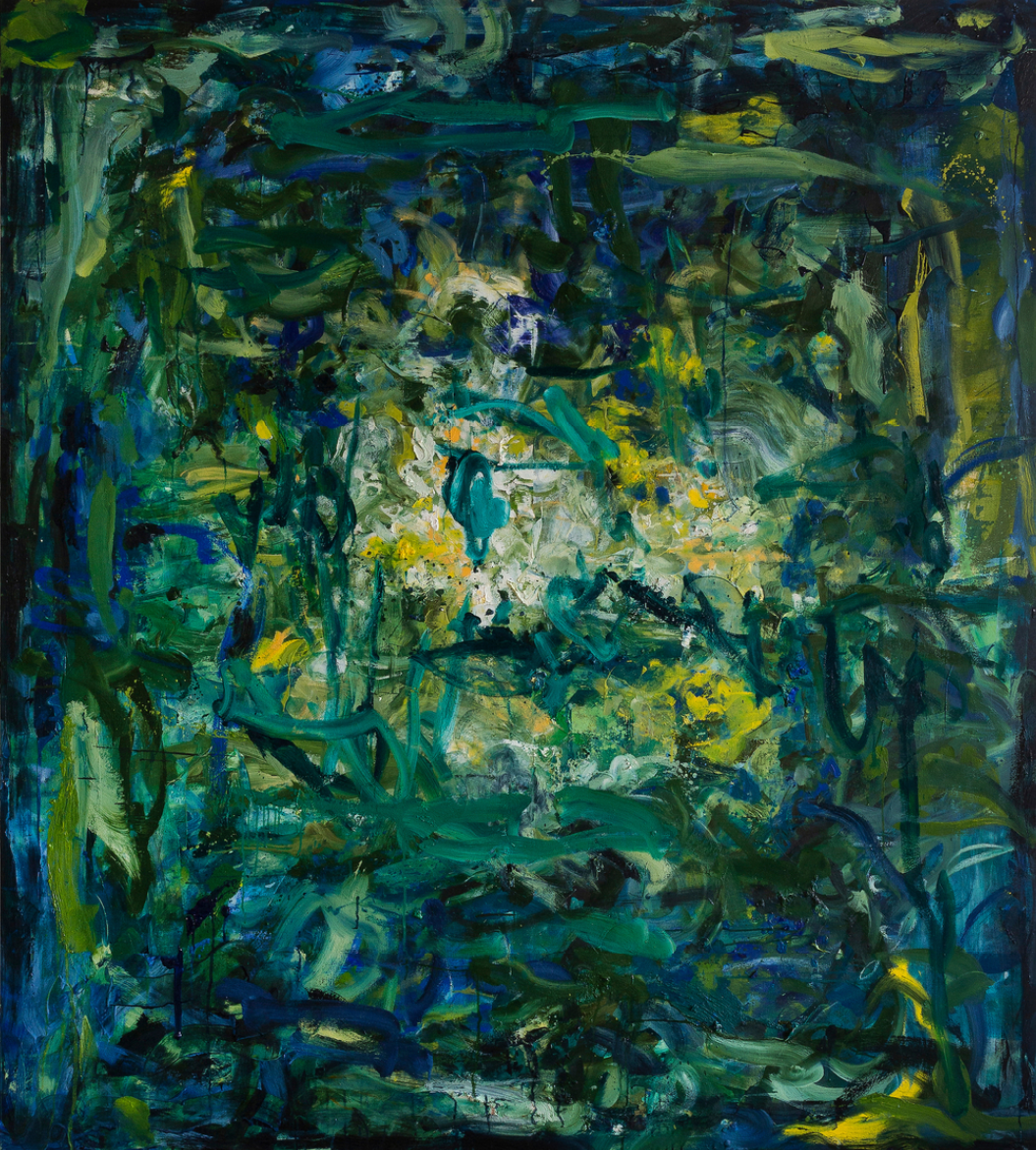
Seven of Cups (A Forest Hums With Possibilities) by Isabella Amram
Earlier this month, I visited Turkish-Venezuelan painter Isabella Amram at her studio in London, where we talked painting, tarot, and voice notes. Scroll down for the full interview ♠️
Addy: Isabella, thanks so much for joining me! What’s your earliest memory of making art?
Isabella: My earliest memories are less about specific images and more about the act itself, mark-making as something instinctive. I remember drawing not to represent anything clearly, but to feel something happening through my hand. That sense of translating an internal state into marks has stayed consistent in my practice.
Addy: I love that. What initially drew you to abstraction?
Isabella: I was drawn to abstraction as a means of moving beyond representation and engaging painting as a process-led practice. However, I’ve become less certain that the term “abstraction” fully accounts for what I’m doing, as the work still involves a form of description, albeit of something not optically present. Through a tarot ledger, where each card is interpreted in terms of painterly action and gesture, I’ve developed a system that informs how the work unfolds. The paintings function less as images and more as translations of those encoded actions.
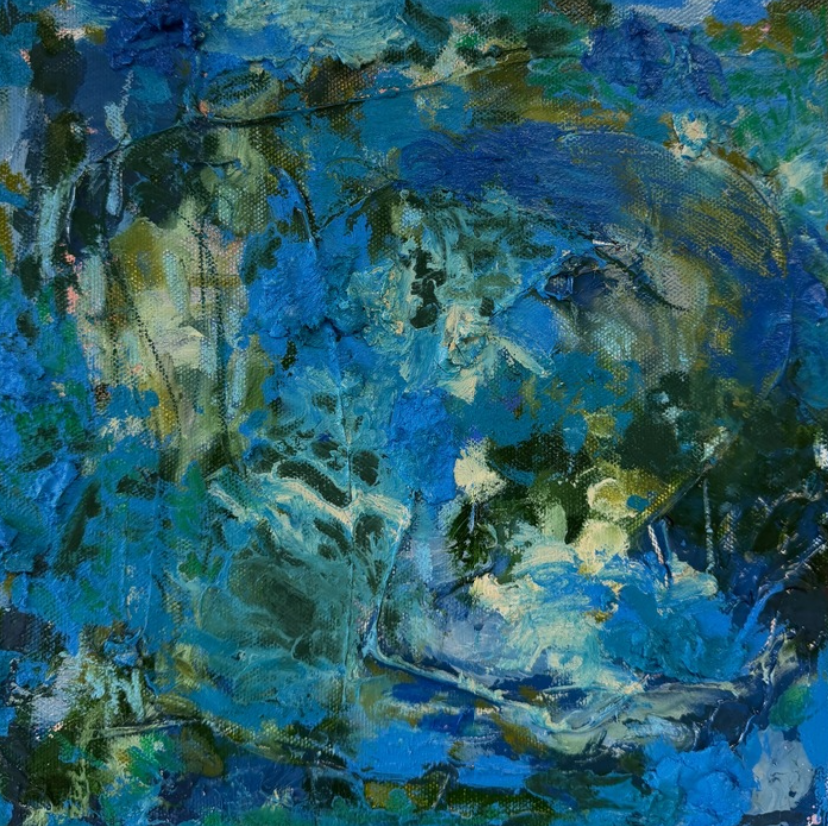
Arcana Fragment III by Isabella Amram
Addy: Yes! It was so interesting to see tarot cards in your studio. Your practice harnesses intuition and precision, materiality and mystery. What does this mean to you?
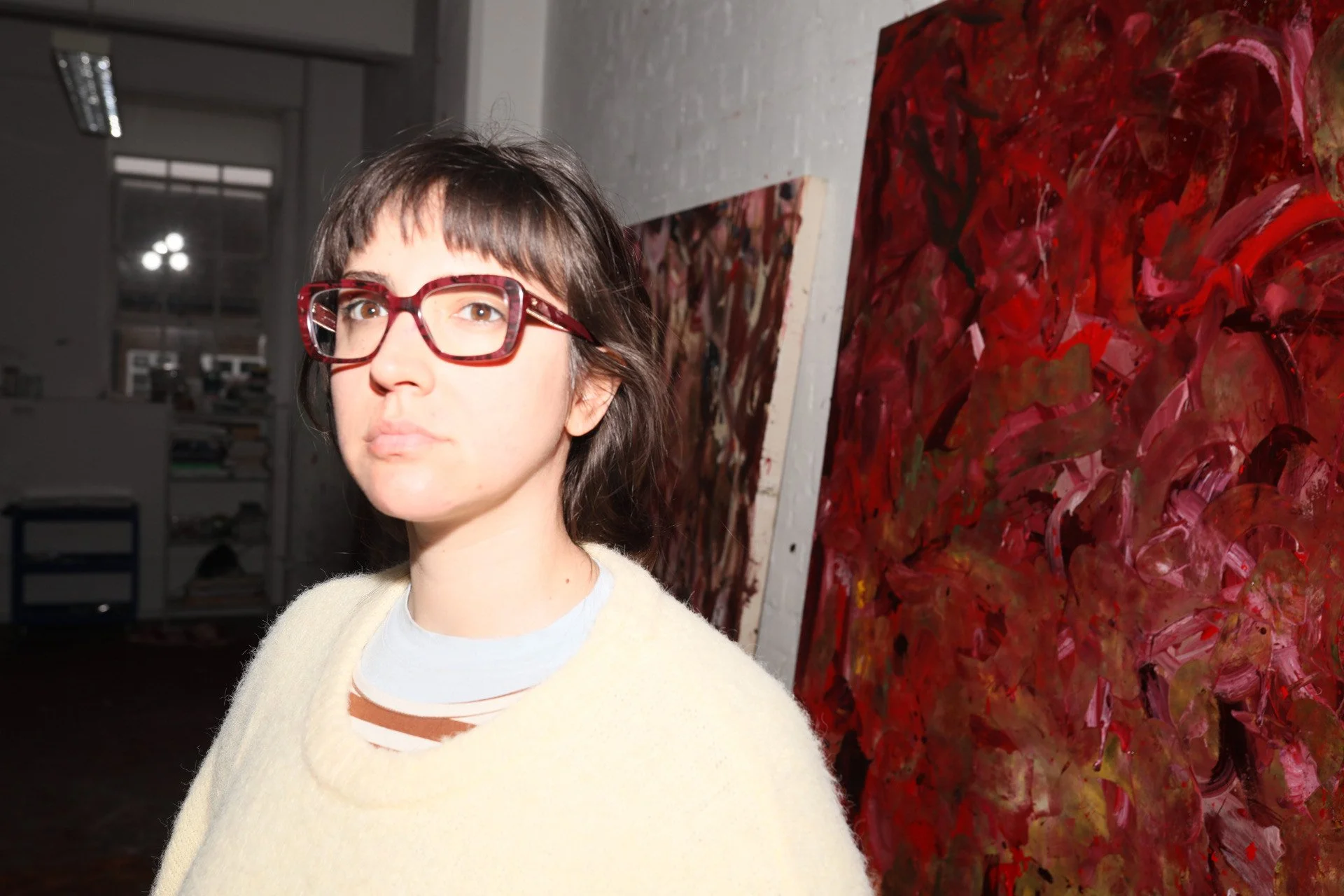
Isabella in her studio (photography: Brynley Odu Davies)
Isabella: Intuition in my practice is always embedded within a framework of control and revision. Gestures are not purely spontaneous; they are subject to ongoing negotiation through layering, erasure, and recomposition. Materiality anchors the work in physical experience, while mystery refers to the aspects of the process that remain indeterminate. The tarot ledger functions as a structuring device, converting symbolic associations into painterly operations that guide decision-making.
Addy: It’s almost like there are these four different pillars existing all at once.Stylistically, your work is very rhythmic and gestural, is there a specific inspiration behind this?
Isabella: The work’s rhythm is structured through sequences of mark-making rather than spontaneous expression. Gestures operate as units within a system, accumulating and interacting across the surface, producing a dynamic organisation of repetition and variation. I’m interested in how these sequences generate shifts in density, direction, and emphasis, so the painting develops as a field of forces rather than a fixed composition. For the viewer, this creates a shifting experience of attention, where the eye moves across the surface rather than settling on a single focal point (or so I would hope).
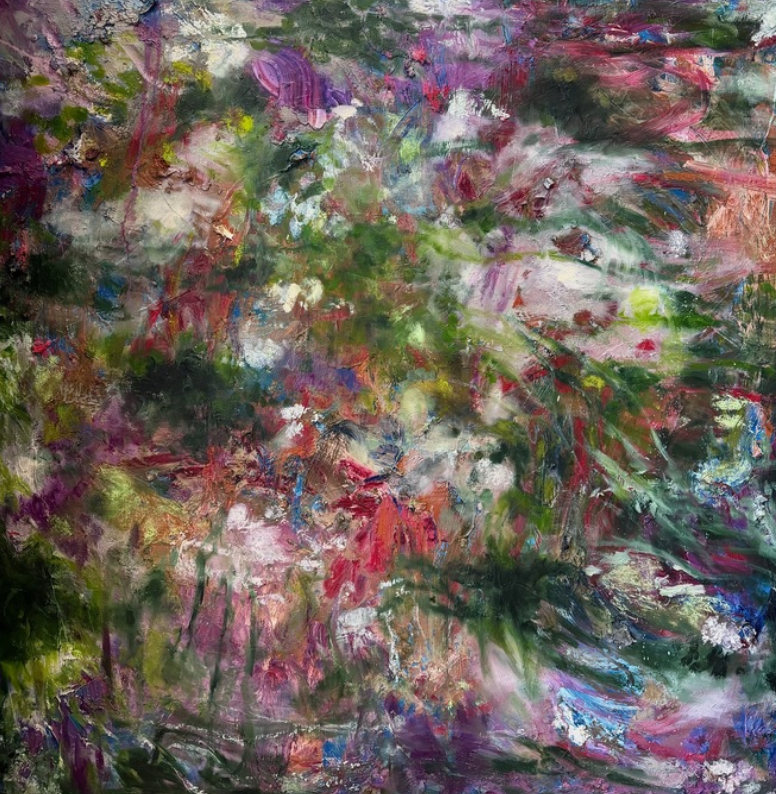
Death (Study I: Recomposition) by Isabella Amram
Addy: That’s definitely been my experience when looking at your paintings! Can you walk me through your creative process?
Isabella: I work across multiple canvases over time, developing each through an iterative process of layering, scraping older layers off, and adjusting. Tarot cards function as a starting point, informed by a broader interest in divination systems such as tasseography, and are translated into painterly actions through a personal ledger I’ve developed. This ledger is grounded in in-depth research into each card’s archetypes, colour associations, history, and symbolic structures. From there, decisions are made in response to the existing surface rather than a predetermined outcome. The composition emerges through this ongoing negotiation between system and material.
Addy: The way in which you’re able to translate the cards into different brushstrokes and painting techniques is honestly so fascinating.How does working on multiple pieces simultaneously affect your approach?
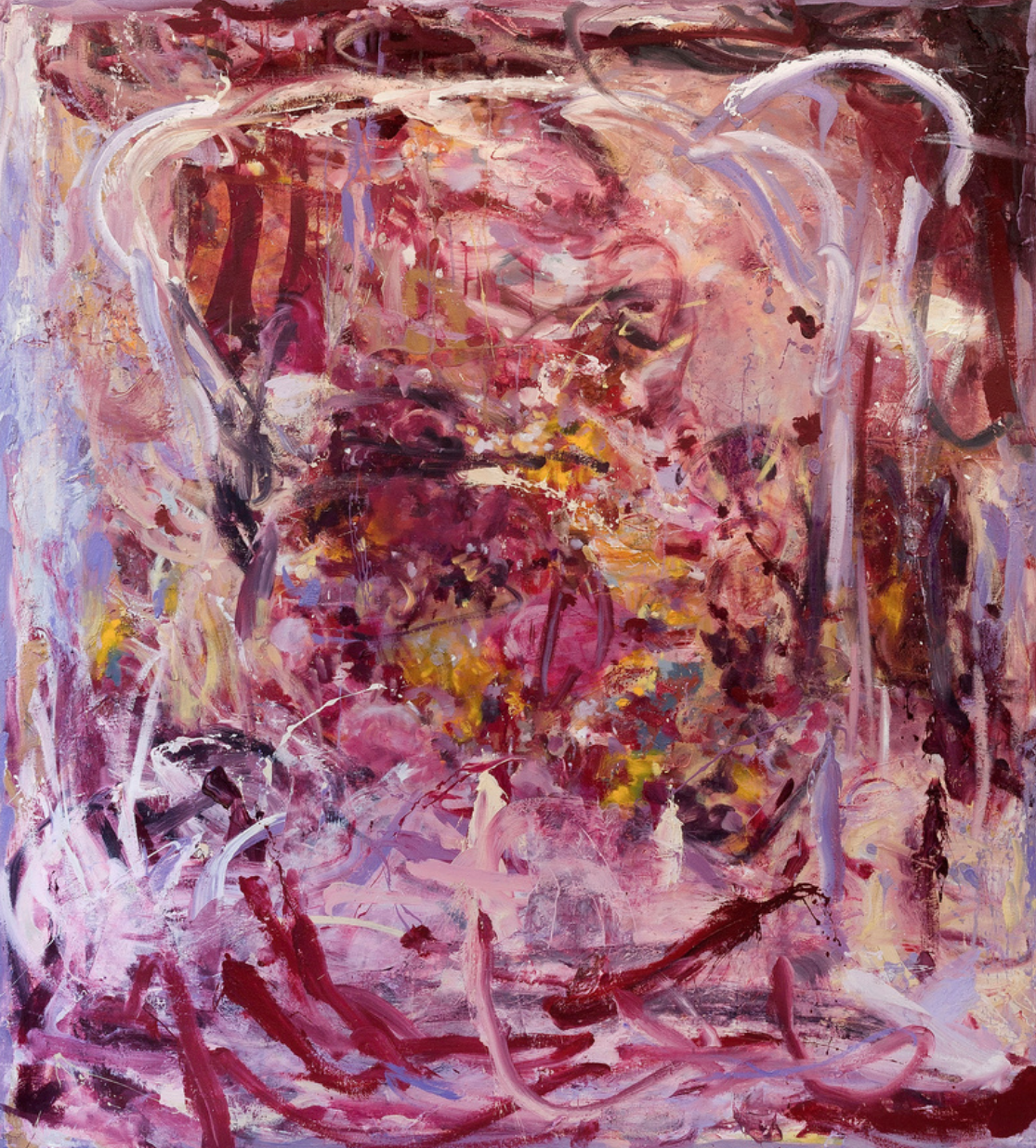
Six Of Wands (A Flame Carries Itself Through The Crowd) by Isabella Amram
Isabella: It creates a kind of network between works. I move between them, allowing decisions in one painting to inform another. It’s similar to reading across a tarot spread; connections emerge between separate elements, and meaning develops relationally rather than in isolation. Working on multiple paintings simultaneously is also a way of maintaining openness within the process. Sustained focus on a single surface risks over-resolving it too quickly. By moving between works, I introduce temporal gaps that allow for reassessment. Returning to a painting after time has passed enables a more critical and responsive engagement.
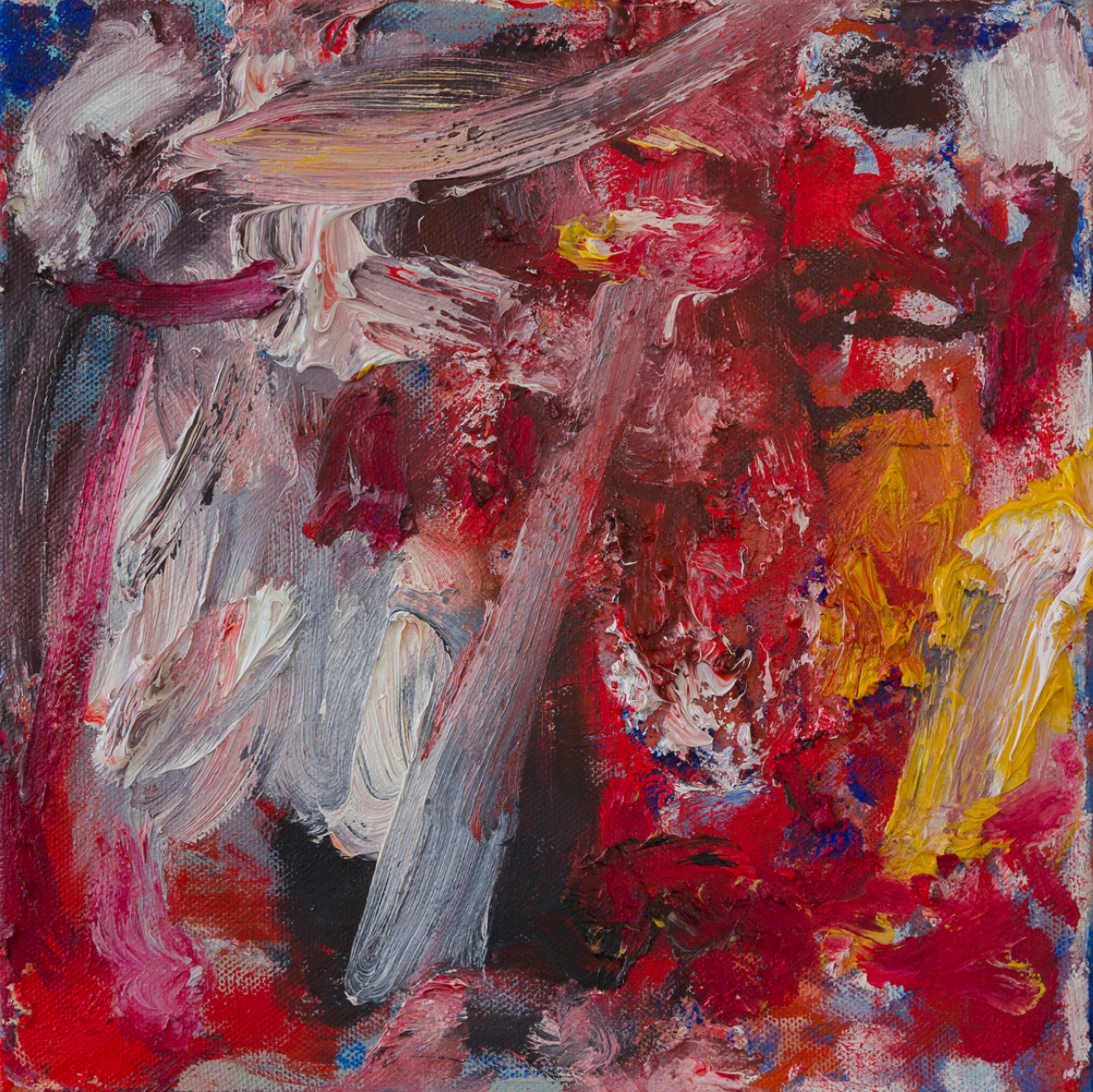
Arcana Fragment II by Isabella Amram
Addy: I like that you give yourself space to come back and reassess.How has your practice evolved over time?
Isabella: Earlier on, I moved from figuration into darker, more minimal works, and then into a more expansive, gestural approach. More recently, the work has shifted toward a more structured direction within that. The development of my ledger has been central to this. It’s led me to think more in terms of sequence and interaction across the surface, alongside a broader and more complex use of colour.
Addy: This shift is so present in your recent paintings. Where do you find inspiration?
Isabella: The tarot universe and all the richness it encapsulates (the occult sciences and associated histories) is a key reference point, along with painting, philosophy, and natural forms. I draw a lot from my daily walks at different parks in West London as well as occasional weekend side quests I take to different parts of the country. Most often though, the work itself becomes the main source of direction.
Addy: I find that there’s so much magic in nature and everyday moments.What do you hope viewers connect with in your work?
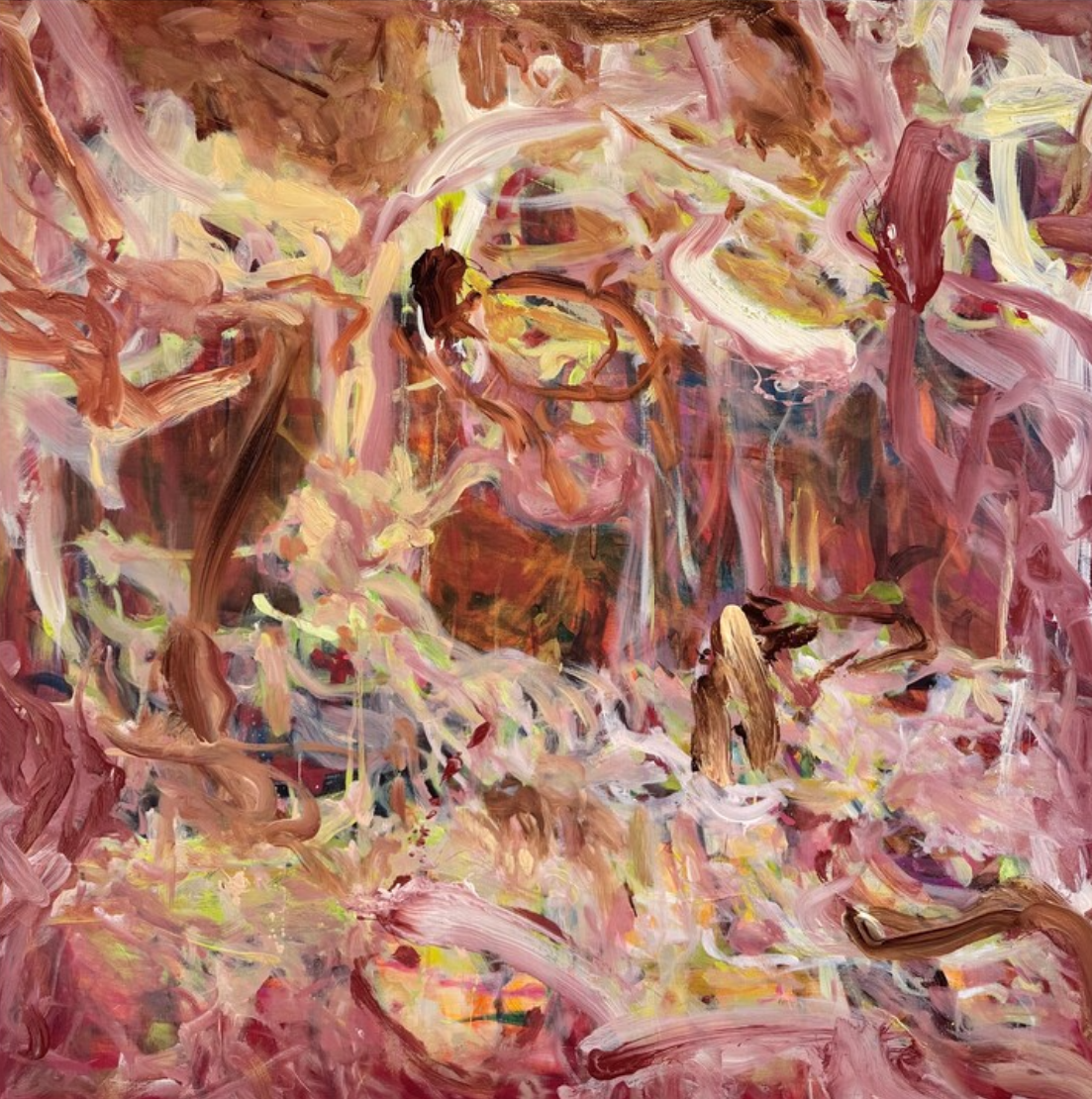
Amber Light by Isabella Amram
Isabella: I want viewers to really look at the work beyond an initial glance. The paintings aren’t designed to be resolved instantly, they require sustained attention. As you spend time with them different relationships begin to emerge. The experience is built through that process of looking rather than through a single, fixed reading.
Addy: I love that! I think people are often unsure of how long to spend with a painting. Finally, what’s next for you?
Isabella: Some breakfast and a walk at the park.
Addy: We love a hot girl walk. So at the end of interviews, I like to do something called a rapid fire round 🔥 here we go! Gothic or Art Deco?
Isabella: Gothic.
Addy: Minimalism or maximalism?
Isabella: Maximalism.
Addy: Oil paint or acrylic?
Isabella: Oil.
Addy: Sun or moon?
Isabella: A moon that’s trying to be a sun.
Addy: Moss or sand?
Isabella: Moss.
Addy: Interesting! Mountains or meadows?
Isabella: Meadows.
Addy: Coffee or tea?
Isabella: Coffee.
Addy: Calling or texting?
Isabella: Voice notes.
Addy: Love that. Symmetry or chaos?
Isabella: Chaos. Or trying to find symmetry in the chaos.
Addy: Yes. What’s the last song you listened to?
Isabella: Open by Rhye.
Addy: Added it to my list. Isabella, thank you so much!
For more from Isabella, check out her website here! <3
Early Conversations

An interview with the lovely Emma Prempeh