
In Minor Keys
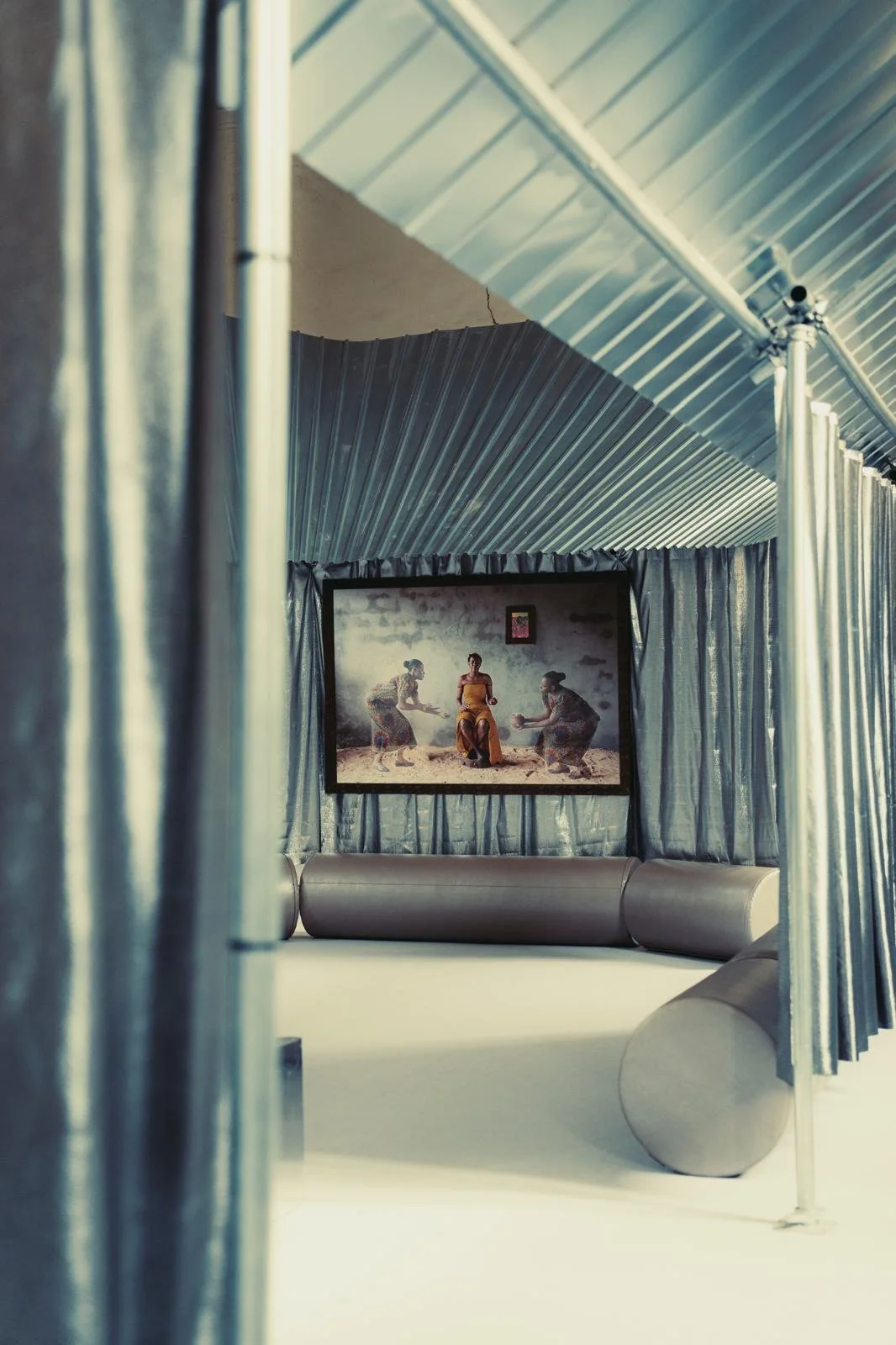
Democratic Republic of the Congo Pavilion
Installation by Antoine Assumani
From speed-walking through the Giardini to seeking moments of reflection across the city, here are my highlights from the opening week of the 61st Venice Biennale
On this quiet Tuesday evening, as I sit cross-legged in front of my laptop, I can’t help but wonder if it really took me almost two months to recover from Venice. Between binge-watching season 2 of Beef and trying (and failing) to simultaneously stay hydrated, see friends, and get my 10,000 steps, I’ve found that putting my proverbial pen to paper has been almost as difficult as staying up-to-date with the latest internet discourse. (I’ve only just discovered protein maxxing and I’m already two months too late.)
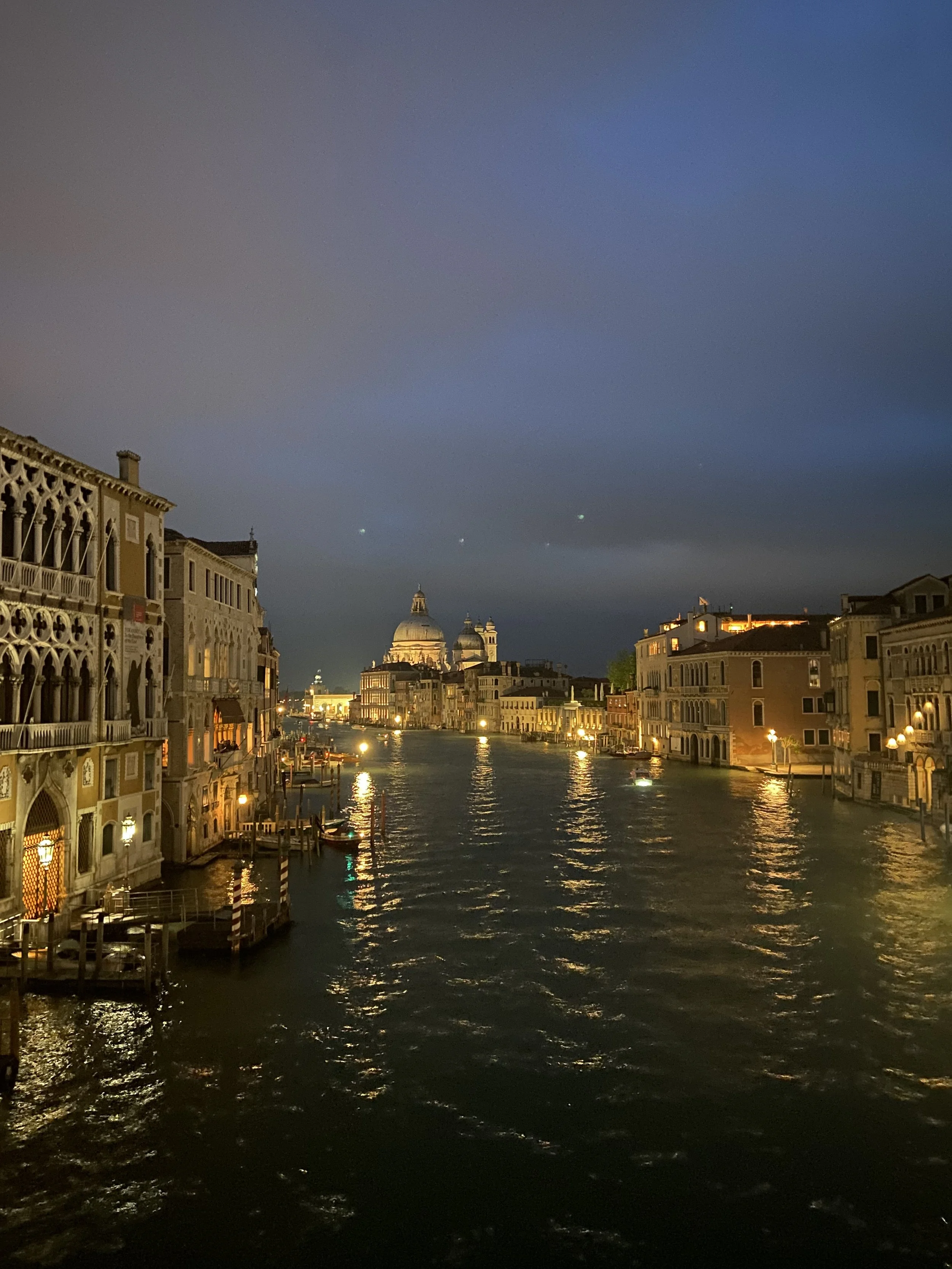
Views of Venice at night
In early May, I flew to Venice for the opening of the 61st Venice Biennale, In Minor Keys, curated by the late Koyo Kouoh. I’ve spent a lot of time reflecting on my experience since then, including all the things I did and didn’t see. The 2026 Biennale was not without its controversies, mirroring our current political climate in many ways. While clear themes stood out, from fertility to climate change, what the Biennale ultimately reminded me of is how much I truly enjoy the act of looking. For me, taking the time to engage with art and connecting with the practices of so many artists in one place was a memorable experience.
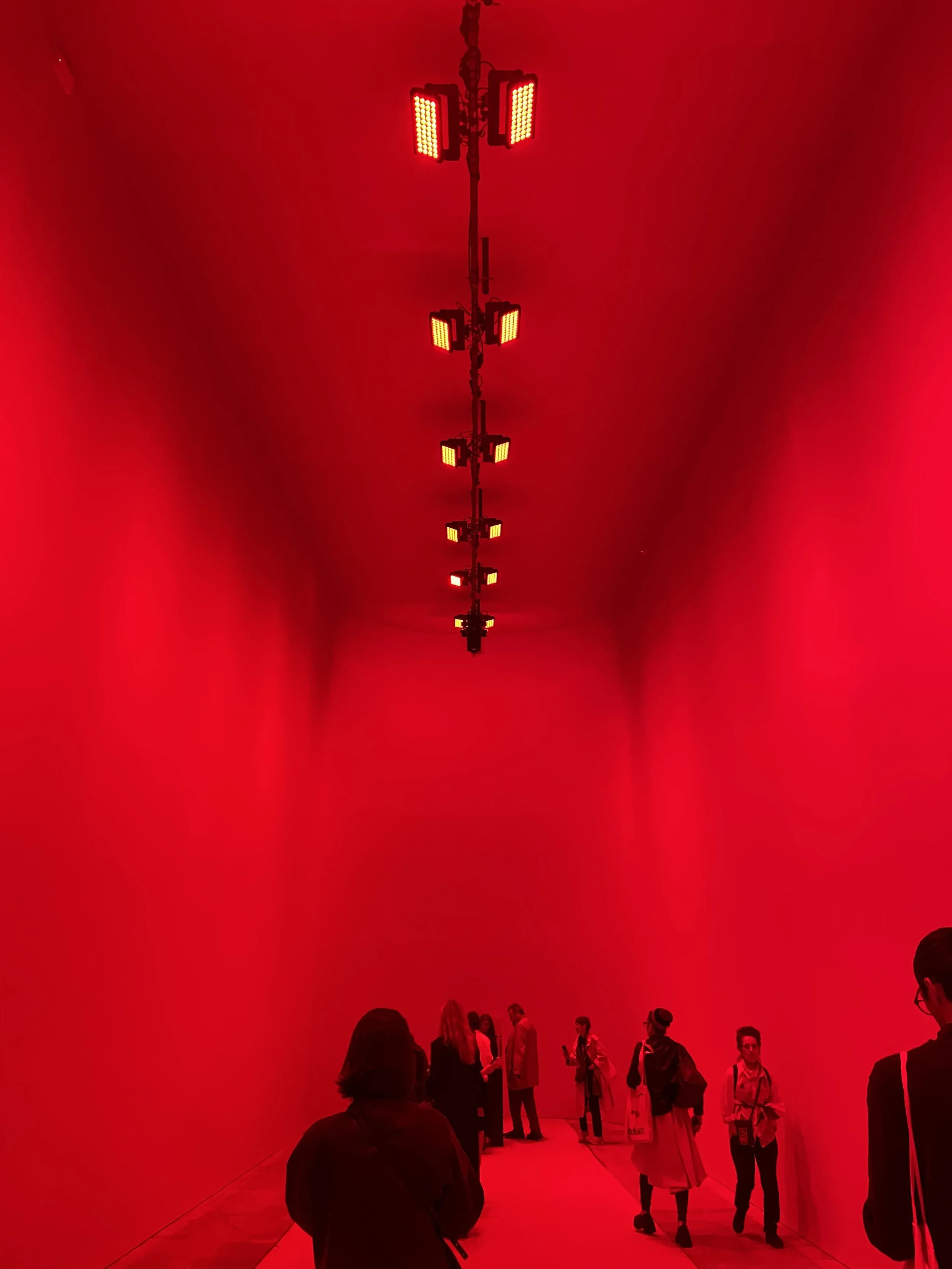
The End of the Word by Alfredo Jaar
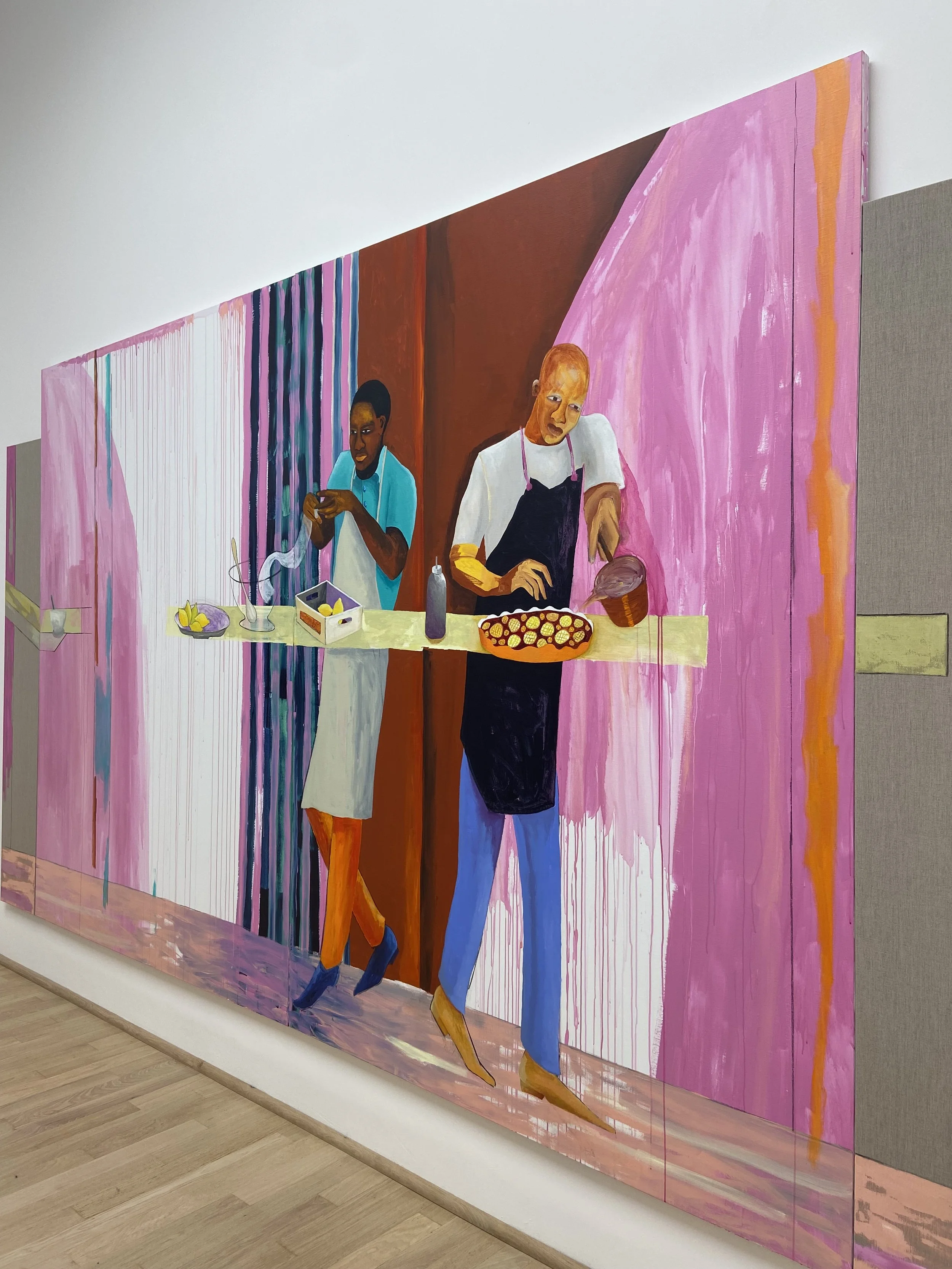
Chefs by Lubaina Himid
I spent most of my week speed-walking from pavilions to palazzos, tote bag and umbrella in hand, trying to take in as much as I could, stopping only for the occasional gelato and artist sighting. Only once did those two worlds collide, when I ran into Tai Shani in a cozy gelateria. In the Giardini, I enjoyed an improvised musical performance arranged by Tarek Atoui at the Qatar pavilion. Before entering the Brazilian pavilion, I spent a moment admiring the restoration of the building's iconic lateral glass walls. Inside, the exhibition brought together new and historical works by Rosana Paulino and Adriana Varejão in an exploration of colonialism and spirituality. Over at the British pavilion, queues formed outside the neoclassical building in anticipation of Lubaina Himid’s solo exhibition, Predicting History: Testing Translation.
A short walk away at the Japanese pavilion, the role of the visitor shifted from passive recipient to active participant. To enter Ei Arakawa-Nash’s solo exhibition, Grass Babies, Moon Babies, visitors were invited to carry a four-kilogram baby doll through the space. Moving through the pavilion, baby doll in tow, I changed my new son’s diaper and scanned a QR code to receive a personalised poem. The experience reminded me, if only briefly, of the immense responsibility of raising children in times of uncertainty. Inspired by the artist’s own experience of having twins, Arakawa-Nash presents a playful yet gripping exploration of parenthood.
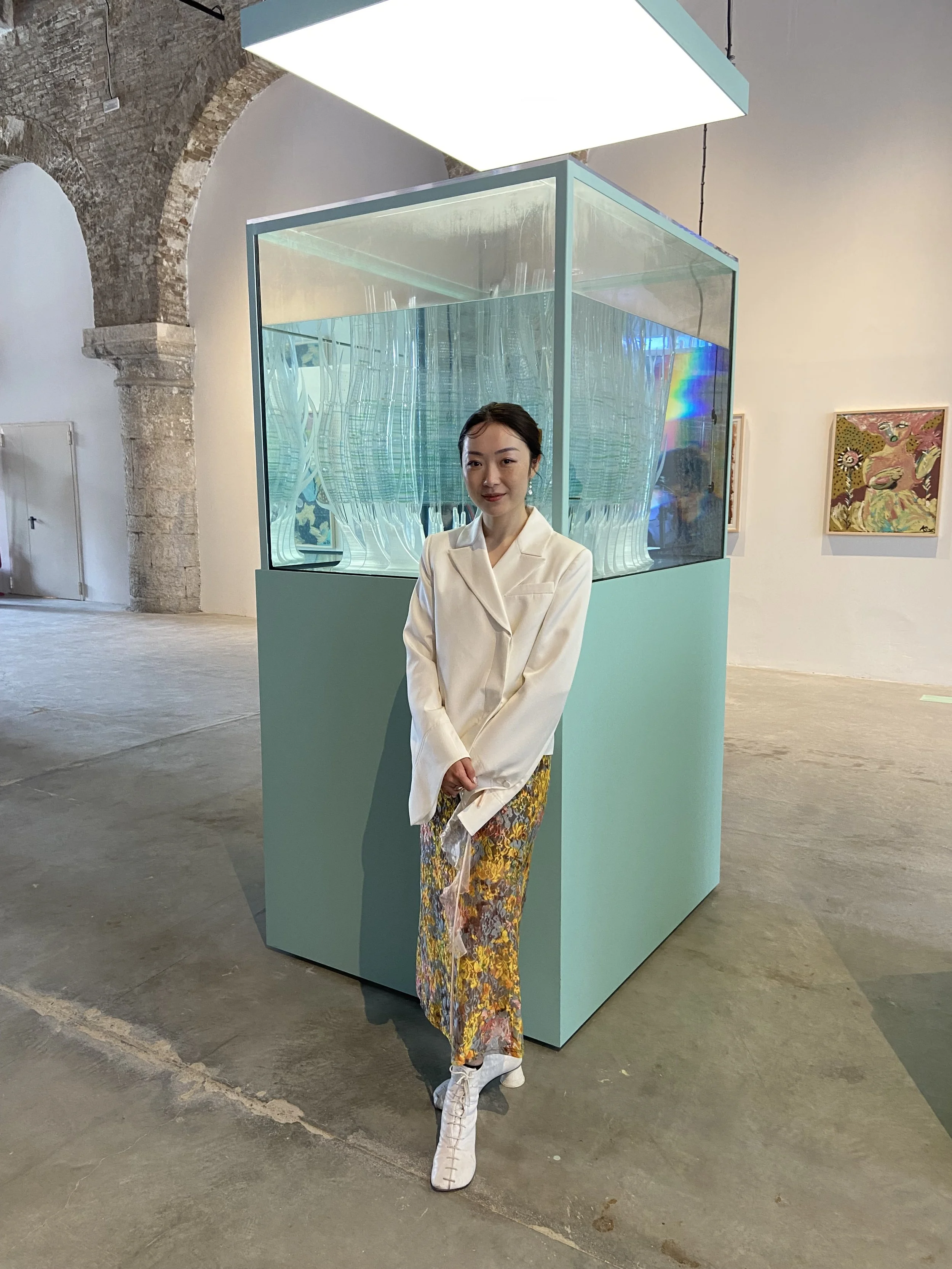
Xin Liu at the Uzbekistan pavilion
The Arsenale was where I saw some of my favourite artworks, including Tabita Rezaire’s Omo Elu, which depicts the Yoruba ocean goddess Yemoja and features cowrie shells and indigo-dyed cotton panels. In the Argentina pavilion, I navigated a darkened space that housed a large-scale floor installation made up of 40 tons of salt and charcoal. I’d spent weeks ahead of the Biennale obsessing over the Uzbekistan pavilion, The Aural Sea, an immersive exhibition that harnessed mythmaking to explore themes of memory and transformation. I loved the incorporation of nature’s elements, as well as the inclusion of a new work by rising talent Xin Liu.
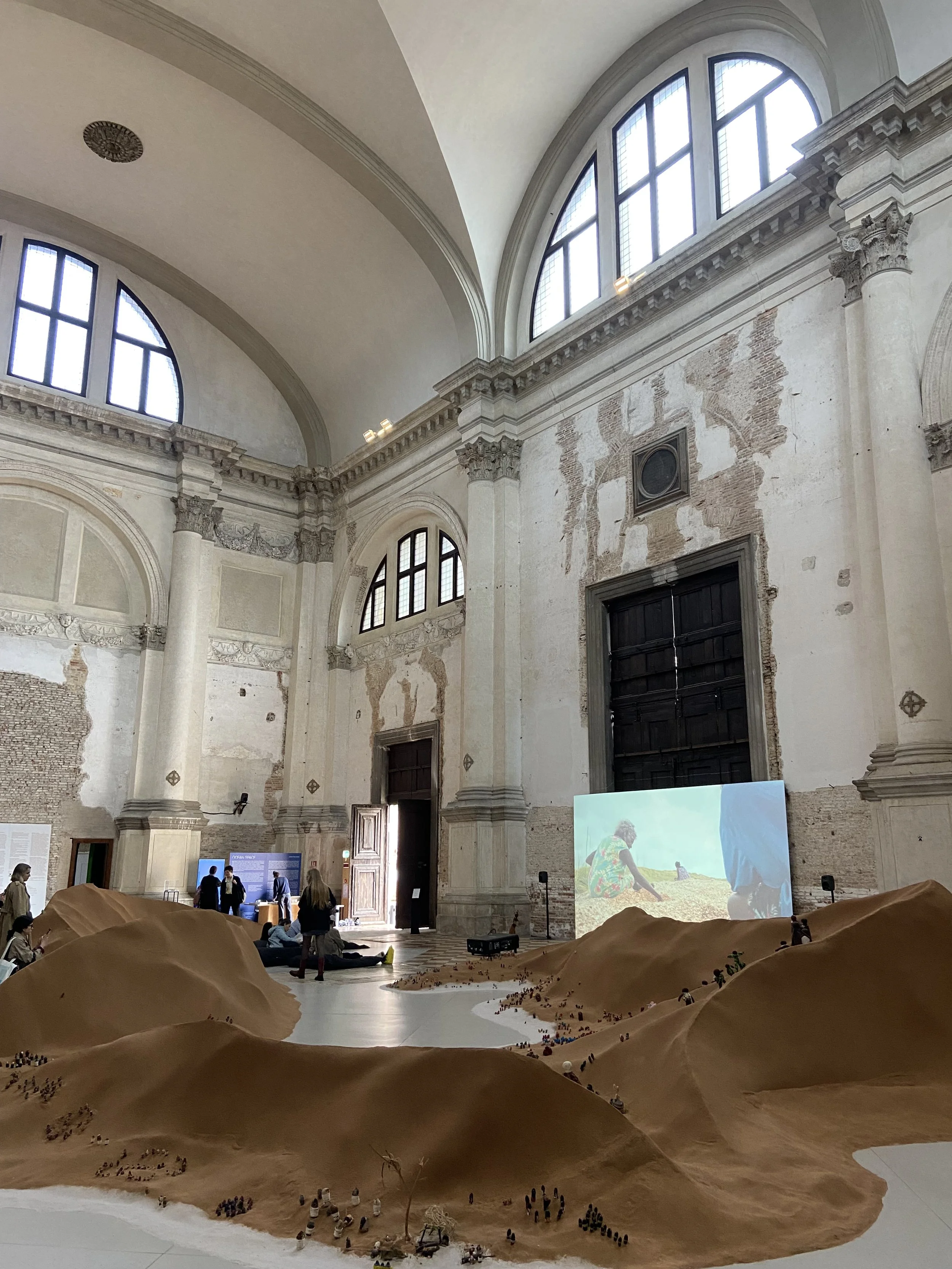
Tide of Returns at Ocean Space
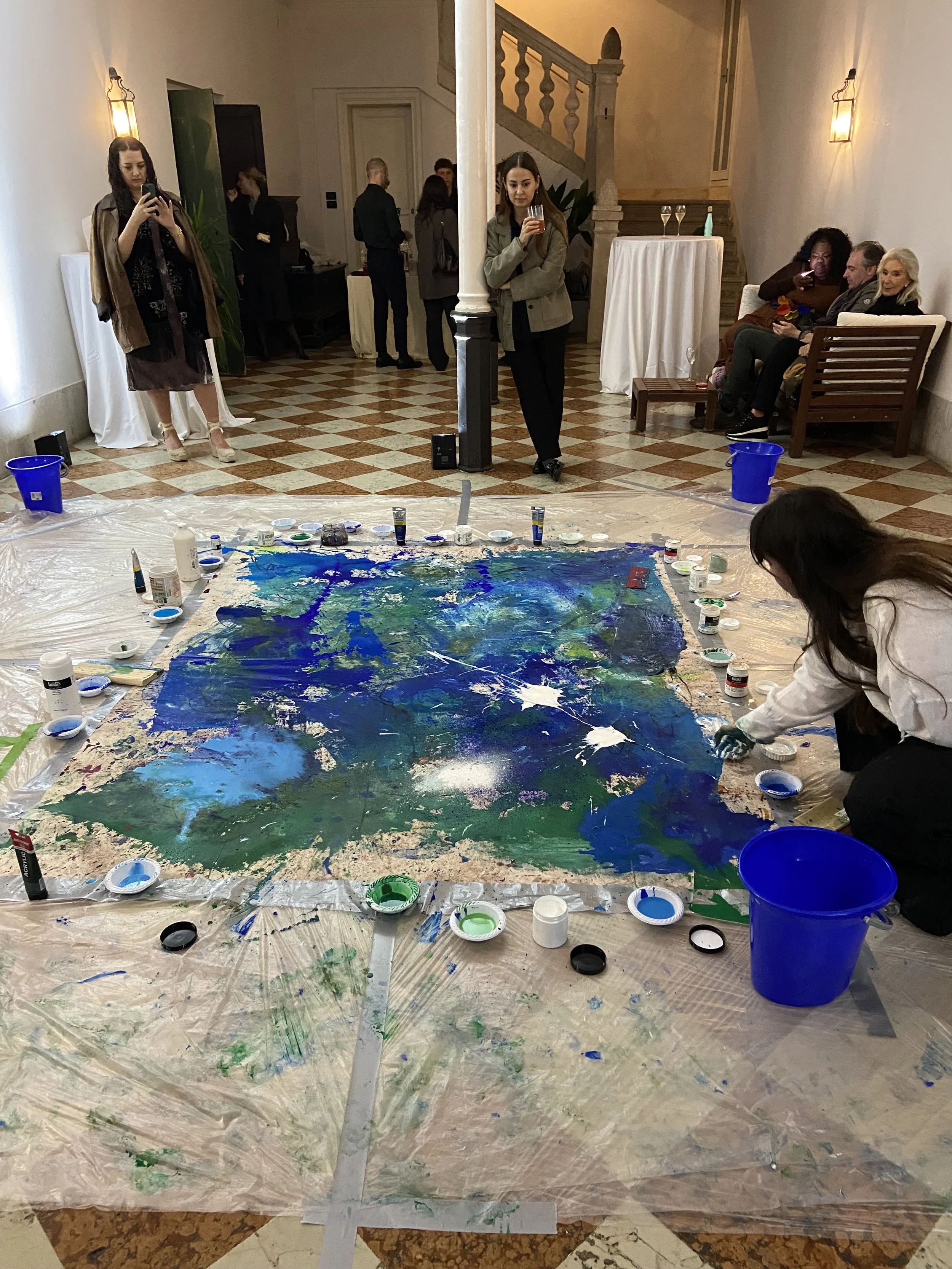
Isabella Amram at Palazzo Nani Bernardo
Beyond the main Biennale pavilions, I got the chance to revisit Arthur Jafa’s Love is the message, the message is Death as part of his duo exhibition with Richard Prince at Fondazione Prada. I wandered through the Museo di Palazzo Grimani, where I saw Amoako Boafo’s vibrant portraits, and visited the Church of San Lorenzo to see Tide of Returns, an Ocean Space exhibition inspired by the language of land and water. I also spent an evening at Palazzo Nani Bernardo. There, emerging artist Isabella Amram, whom I interviewed earlier this year, gave a special performance combining tarot card readings with live abstract painting.
Across the city, there were museum retrospectives, public art installations, and of course, gondolas. Tucked away on a quiet street was Shapes of Silence, a solo presentation of paintings by Tegene Kunbi at the Ethiopia pavilion. His abstract works take inspiration from Ethiopian oral traditions, incorporating textiles and assemblage to create layered compositions that serve as an archive of labor, memory, and history. This year also marked the inaugural pavilion from the Democratic Republic of the Congo and its diaspora, bringing together nine artists in a dynamic presentation of Congolese artistic expression.
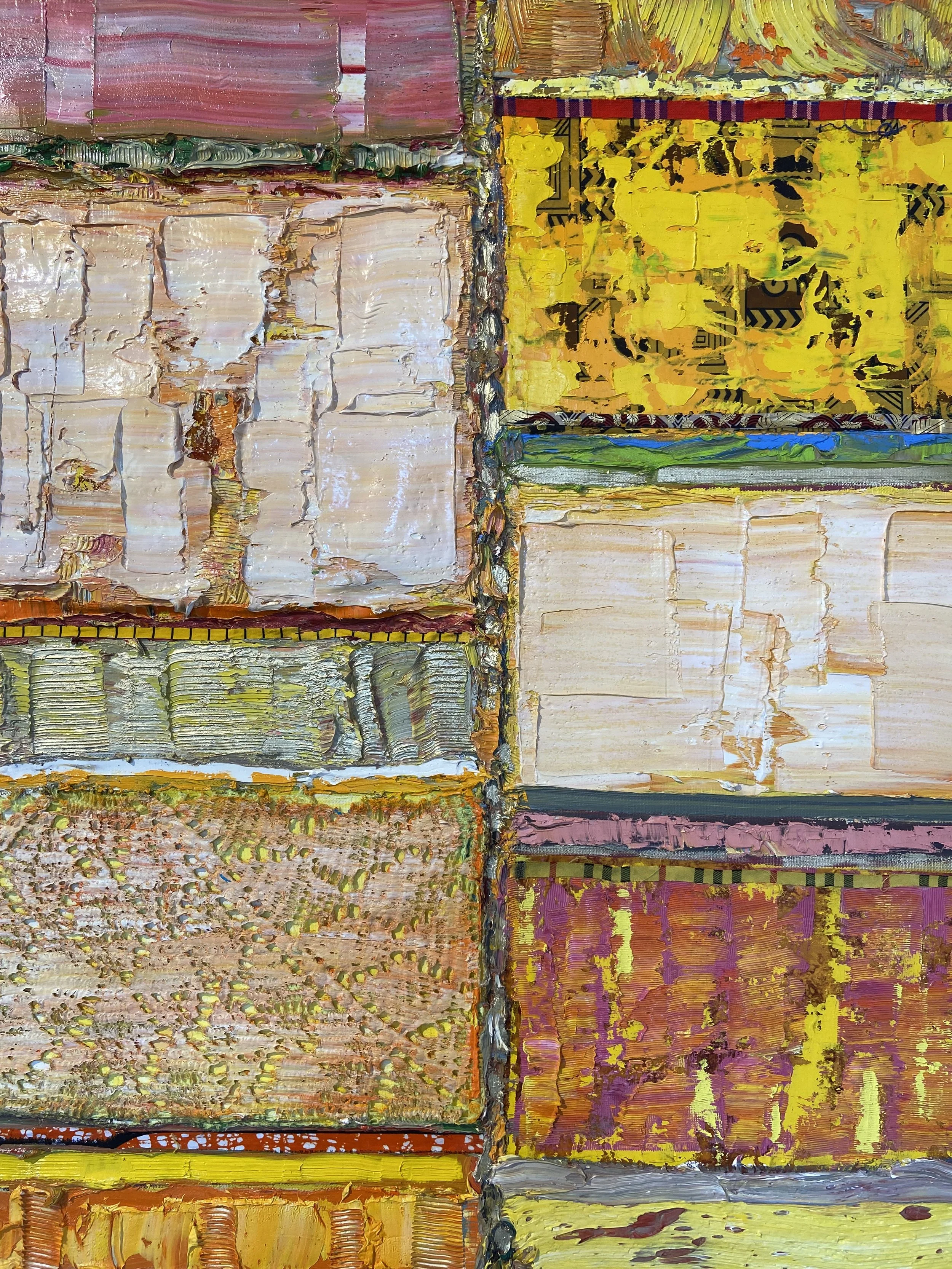
Painting by Tegene Kunbi
There are certain artworks that stay with you for a long time. It’s difficult to describe the feeling of stepping into Gabrielle Goliath’s performance project, Elegy. The echoes of women’s voices across the silent Chiesa di Sant’Antonin filled my head with so many thoughts. Goliath’s installation is a powerful ode to loss and resistance, playing an important role in this year’s Biennale. It’s nearly impossible to simply experience art without acknowledging what is happening around the world, as the two go hand in hand.
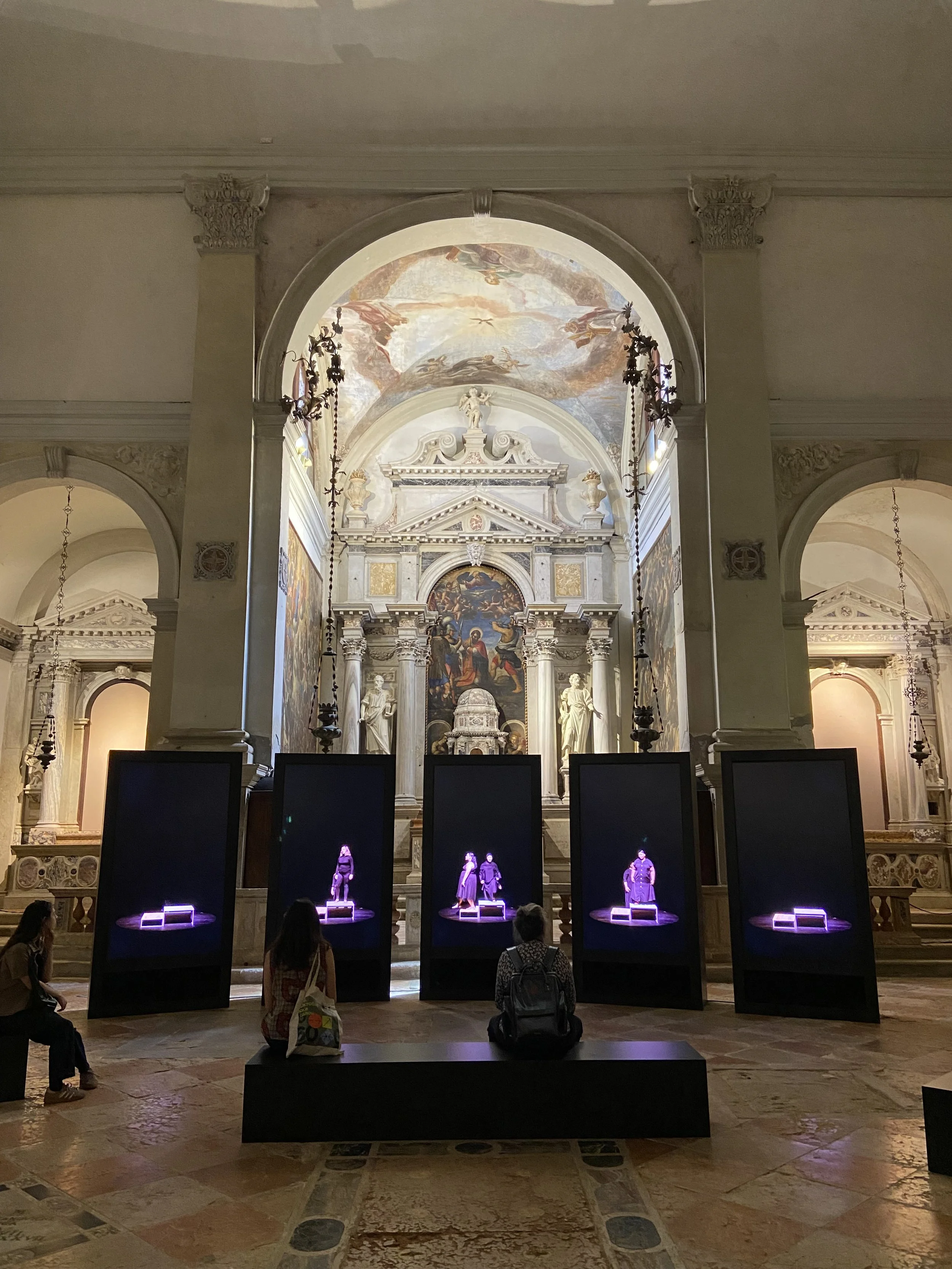
Elegy by Gabrielle Goliath
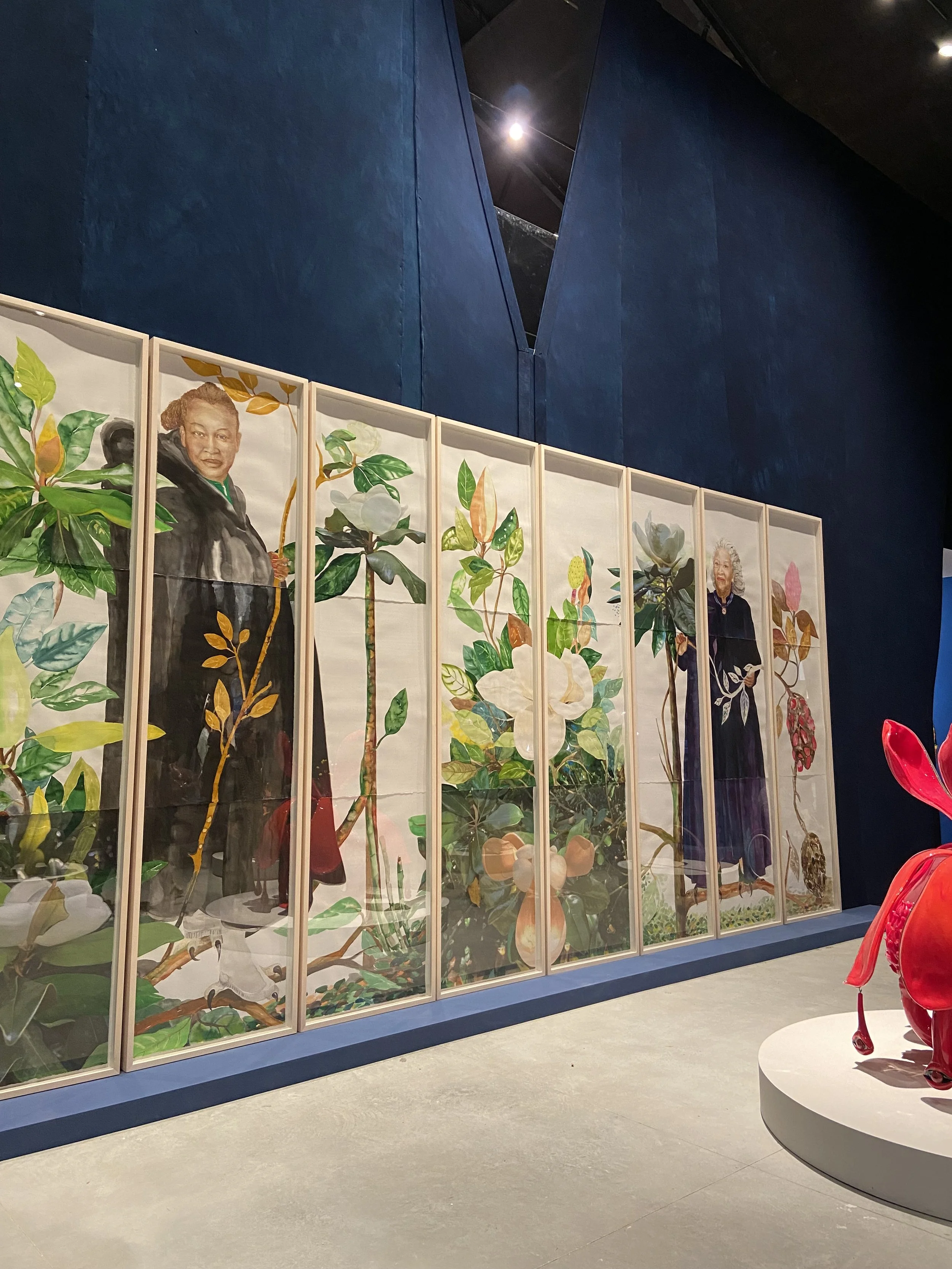
Anatomy of the Magnolia Tree for Koyo Kouoh and Toni Morrison by María Magdalena Campos-Pons
The Central Pavilion brought Kouoh’s curatorial vision to life, anchored by a monumental mural serving as a homage to the late curator and American novelist Toni Morrison. In Minor Keys creates a space for reflection, inviting us to imagine new possibilities while putting artists at the centre of its universe. Kouoh herself once noted, “I believe that the artistic and creative space is the space of the imaginary and provides a much more expanded understanding of who we are and what our role is in this world.”
The 61st Venice Biennale is open to the public until November 22, 2026.